Introduction
Navigating the complexities of retirement financing can be daunting, especially when considering options like reverse mortgages. A reverse mortgage calculator serves as a vital tool, helping homeowners understand how much they can borrow against their home equity. This financial product can provide essential funds for retirees looking to supplement their income. In this article, we will delve into what a reverse mortgage calculator is, how it works, and key considerations to keep in mind.
What is a Reverse Mortgage?
A reverse mortgage is a loan available to homeowners, typically age 62 or older, that allows them to convert part of their home equity into cash. Unlike traditional mortgages, where monthly payments are made to a lender, reverse mortgages pay the homeowner. The loan is repaid when the homeowner sells the home, moves out, or passes away.
Key Features of Reverse Mortgages
- Age Requirement: Must be at least 62 years old.
- Home Equity: The amount you can borrow depends on your home equity, age, and current interest rates.
- No Monthly Payments: Borrowers are not required to make monthly payments; the loan is repaid when triggered.
The Role of a Reverse Mortgage Calculator
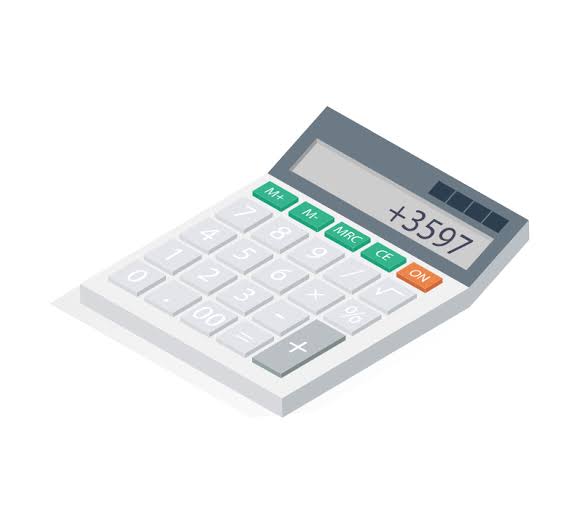
A reverse mortgage calculator is a user-friendly online tool designed to estimate how much money you can access through a reverse mortgage. By inputting certain variables, you can get a quick estimate of your potential borrowing power.
How to Use a Reverse Mortgage Calculator
- Input Personal Information: Enter details such as your age, the age of any co-borrowers, and your state of residence.
- Home Value: Provide an estimate of your home’s current market value.
- Outstanding Mortgage Balance: Include any existing mortgage that needs to be paid off.
- Interest Rates: Some calculators allow you to input current interest rates, which can affect your borrowing capacity.
Benefits of Using a Reverse Mortgage Calculator
- Quick Estimates: Get an instant idea of your borrowing potential.
- Financial Planning: Helps in planning your retirement budget and expenses.
- Comparison Tool: Compare different scenarios by adjusting inputs to see how they affect your loan amount.
Factors Affecting Reverse Mortgage Calculations
When using a reverse mortgage calculator, several factors can significantly impact the estimated loan amount you may qualify for. Understanding these factors is crucial for making informed decisions.
1. Home Equity
The amount of equity you have in your home is the primary factor in how much you can borrow. More equity translates to higher borrowing potential.
2. Age of Borrower(s)
As older homeowners tend to have access to more funds, age plays a significant role. Generally, the older you are, the more you can borrow.
3. Current Interest Rates
Interest rates fluctuate and can influence the overall loan amount. Lower rates typically allow for higher borrowing limits.
4. Location
The real estate market in your area can affect home values, thus impacting the equity available for a reverse mortgage.
5. Type of Reverse Mortgage
Different types of reverse mortgages (Home Equity Conversion Mortgages, proprietary reverse mortgages) can offer varying terms and amounts.
Common Misconceptions About Reverse Mortgages
Despite their benefits, reverse mortgages are often misunderstood. Clarifying these misconceptions can help potential borrowers make better-informed decisions.
Misconception 1: You’ll Lose Your Home
Many believe that a reverse mortgage means losing ownership of their home. In reality, homeowners retain the title as long as they fulfill loan obligations, such as paying property taxes and homeowners insurance.
Misconception 2: It’s Only for Financially Strapped Homeowners
Reverse mortgages can be suitable for various financial situations, not just for those in immediate need of cash.
Misconception 3: High Fees and Costs
While reverse mortgages do come with fees, many are comparable to traditional mortgage costs. It’s crucial to shop around and understand the fee structure.
Conclusion
A reverse mortgage calculator is an invaluable resource for seniors considering this type of financing. By understanding the various factors that influence loan amounts and dispelling common misconceptions, homeowners can make more informed choices. Whether you are looking to enhance your retirement lifestyle or simply need extra cash flow, a reverse mortgage could be a viable solution. Always consult with a financial advisor to ensure that it aligns with your long-term financial goals.